Fourteen islands sit two kilometres off the Istrian coast at Fažana, protected as a national park since 1983, and the only way onto any of them is by boat. That single fact splits a search for a "Brijuni boat trip" into four very different products: the official park ferry with a guided island excursion, a panoramic cruise that circles the archipelago without landing, a private or small-group charter with swim stops, and arriving on your own yacht. This guide separates them — what each costs, what each includes, and which one fits your day. You can compare and book every option on our Brijuni National Park tours overview.
Your Brijuni Boat Trip Options at a Glance
The Brijuni archipelago counts 14 islands across nearly 34 km² of protected sea and land, but only Veliki Brijun, the largest at 5.6 km², receives day visitors. The rest — Sveti Marko, Galija, Vanga, Pusti and eight small islets — are off-limits, which is why the choice of boat matters as much as the choice of day. Here is the whole decision in one table.
| Option | Departs from | What you get | Rough cost |
|---|---|---|---|
| Official ferry + excursion | Fažana quay | 15-min crossing, guided train tour, safari park, museums | €35–50 adult |
| Panoramic cruise | Pula Harbour or Fažana | Circuit of the archipelago, swim stop, no landing | ~€25–40 pp |
| Private/small-group tour | Fažana or Pula | Custom route, swim and snorkel stops, hidden bays | €500–950/day |
| Own yacht | Brijuni Marina | Mooring with park entry for all crew | €180–280/night |
One warning before anything else: a "Brijuni cruise" sold from Pula harbour is not a visit to the national park. Operators themselves flag the misconception — those boats circle the islands and stop for a swim, but island entry requires the official park boat from Fažana or a marina berth. If landing on Veliki Brijun is the point of your day, book one of the boat tours that includes the crossing, not a panorama-only cruise.
Fažana Ferry vs Boat Tour: Which Is Right for You?
Pick by what you want out of the day, because the two products barely overlap. The ferry excursion is a walking-and-train history day: a licensed guide, Roman ruins, Tito's museums and a safari park, with the boat as a 15-minute shuttle. A boat tour is a water day: calm channels between the islands, swimming off Kozada or Sveti Jerolim, and coastline the ferries never visit. The first answers "what's on the islands"; the second answers "what's it like out there".
Time and money separate them too. The excursion takes about four hours end to end and costs €50 per adult in high season; tours run 1.5 to 6 hours at roughly €25–40 per person shared, or €500–950 for a private day. A family of four should budget around €140 for the summer ferry excursion — the steepest standard admission of any Croatian national park — while a shared cruise for the same family costs closer to €100–140 without the island.
- Families with kids: the ferry — train tour, zebras, no swim logistics.
- Swimmers and snorkelers: a boat tour with stops at Kozada or Sveti Jerolim.
- History lovers: the ferry excursion, plus the Verige Bay snorkel trail.
- Photographers: a morning boat tour, then the €15 evening ferry.
- Cruise-ship day visitors from Pula: the panoramic cruise — timing fits.
- Yacht crews: marina berths include park entry for everyone aboard.
The two aren't mutually exclusive, and that's the honest answer for a week in Istria. Plenty of travellers do the ferry excursion one day and a swim-stop tour the next; you'll see the islands from completely different angles. If you're based in Pula with only one day, take the ferry — the islands are the thing you can't replicate elsewhere.
The Official Ferry and Guided Excursion from Fažana
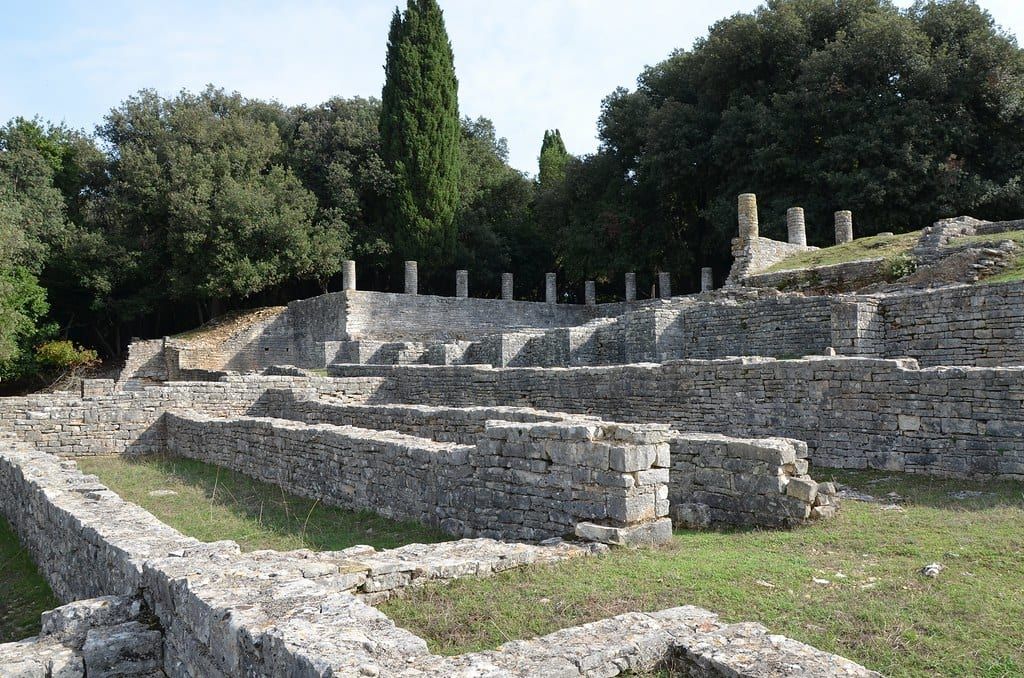
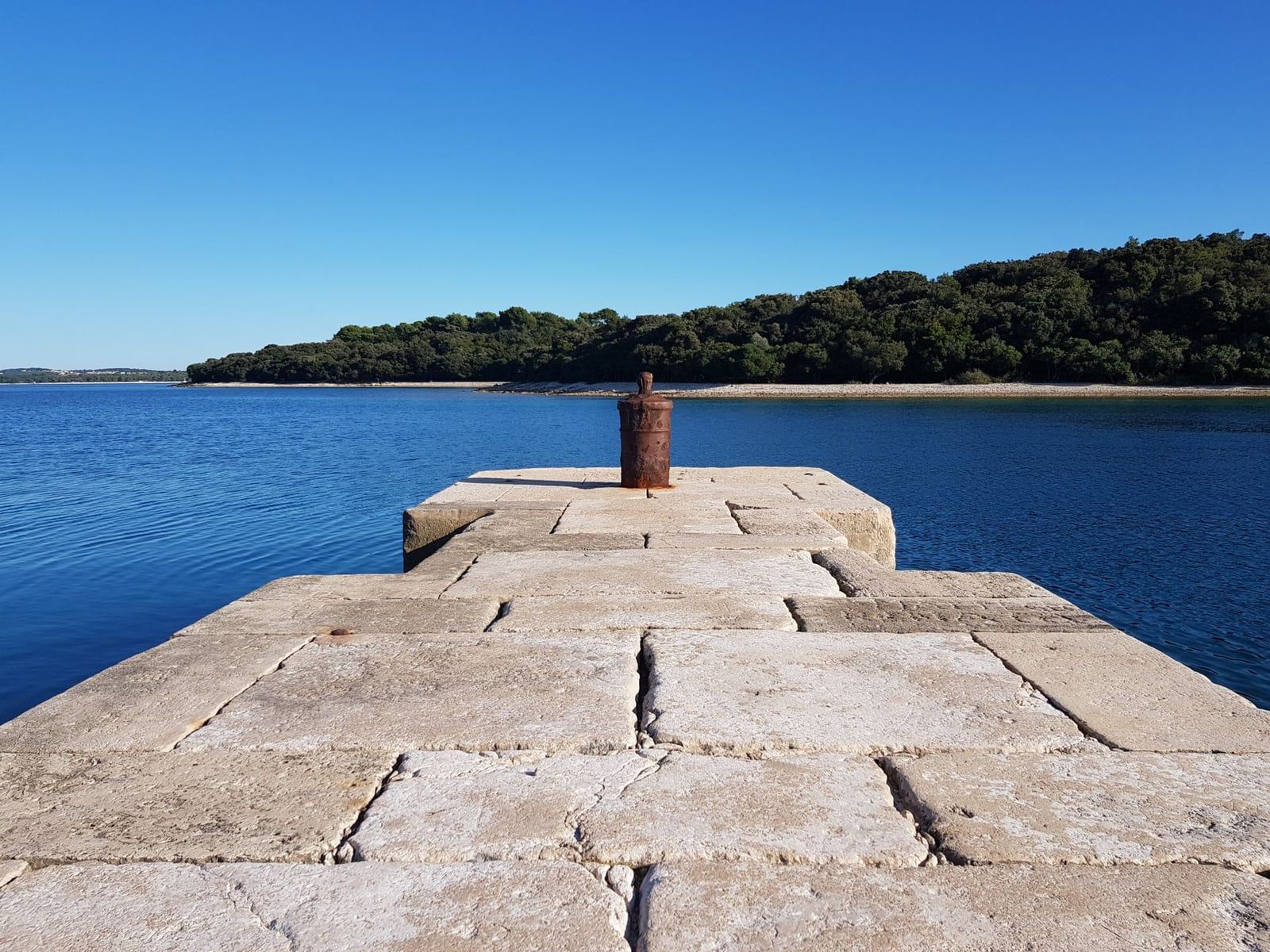
The park runs its own boats from the quay in Fažana, a small fishing town eight kilometres northwest of Pula. The crossing to Veliki Brijun takes 15 minutes across 2 km of strait. Everything about the visit — ticket, boat timing, tour — runs on the park's strict schedule, so the logistics below are worth reading before you go.
Getting there is the first decision. Driving from Pula takes about 15 minutes, but parking near the Fažana waterfront is scarce in August — arrive early and expect to walk, and note that the Boraca 9 car park belongs to the park's hotels, not day visitors. The alternative is suburban bus line 21 from Pula at €2.20, which covers the 8.4 km in 15–21 minutes but runs at irregular times, with gaps of several hours mid-morning. Check the current Pulapromet timetable before relying on it.
Prices follow the calendar. The guided excursion costs €50 per adult from 1 June to 30 September and €35 from October to May; students and over-65s pay €40/€30, children 7–18 pay €20/€15, and under-7s ride free. One ticket covers the return boat, the tourist train, a licensed guide, the safari park, the museum displays and the Mediterranean garden with its ancient olive tree — insurance and VAT included. There's also a self-guided ticket (€40/€30 with the Brijuni Pocket Guide app) if you'd rather explore alone, and a €15 evening entry from 6 pm in July and August.
Book at shop.np-brijuni.hr, at the park office at Brionska 10 in Fažana, or by email to [email protected]. Reduced tickets for students, over-65s and visitors with a disability are not sold online at all — reserve by email and collect at the office at least 30 minutes before departure. Groups of 25 or more get a discount, and hotel guests on the island get 20% off. Full opening hours and fee details are worth a check before you commit to a date.
Timing is strict: the crew boards you only within the hour printed on your ticket, and missing your departure means no refund and no rebooking. In July and August twelve sailings run daily between 09:00 and 22:00, with returns until 23:00; April, May, September and October drop the 20:00 boat; November to March runs just two sailings a day (09:00 and 11:30) with the last boat back at 16:00. What sells out first in summer is language slots on guided tours — English, German, Italian and Russian groups — rather than boat capacity, so book ahead.
Once across, the guided tour takes roughly four hours in total: the crossing, an hour-long electric-train circuit with a stop at the Roman villa in Verige Bay, then time on foot through the museums and the harbour. After that you're free. Stay as long as you like and take any later ferry back — return times are posted on the jetty, and in summer the last one leaves as late as 23:00.
Boat Tours Around the Islands: Routes and Swim Stops
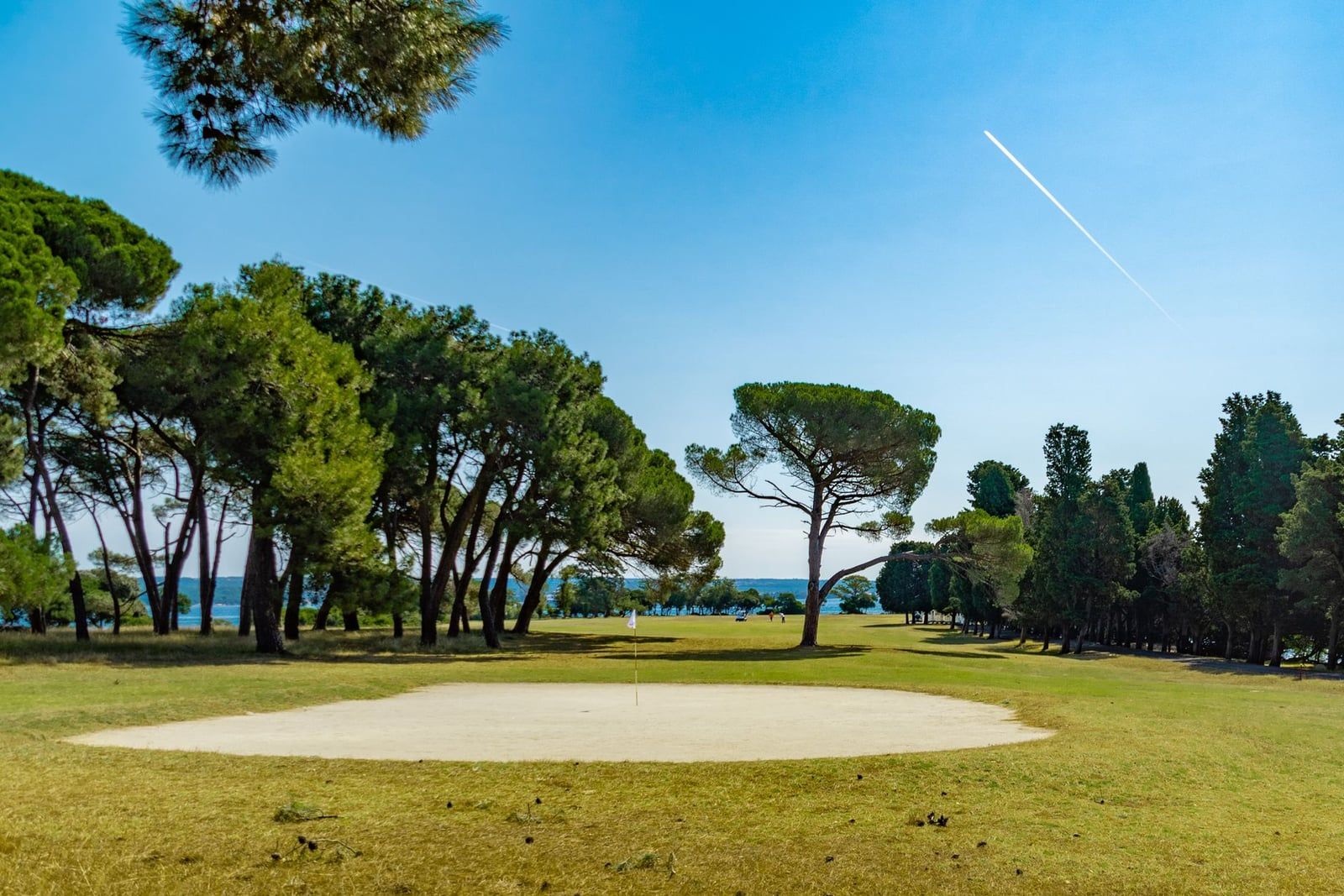
A typical tour day starts at Pula Harbour or the Fažana quay and opens with the one stretch everyone comes for: about 40 minutes of slow panorama past all 14 islands. The channels between them stay calm and clear even when the open coast is choppy, which is why the archipelago works as a boating destination when other trips get cancelled. Captains weave along the protected coastline the ferries skip, past low limestone shores, umbrella pines and the off-limits islands — Vanga with Tito's private fishing house among them.
Then comes the water. Shared tours from Fažana, most running 2–4 hours, anchor at Kozada for swimming and diving from late spring to early autumn; longer itineraries add the fossil beach on Mali Brijun and hidden bays the ferry never reaches. Sveti Jerolim, the car-free "peacock island", is the other regular stop — a swimming and diving spot with its own small entrance fee and a no-single-use-plastic policy so strict that your ticket comes with a trash bag. Some Pula-based tours stretch to six hours: two hours cruising the islands, then a four-hour swimming break. At the short end, glass-bottom boats run 1.5-hour panorama trips for travellers who just want the view.
Dolphins are the wildcard, and a good one. Bottlenose dolphins live year-round in these waters, alongside loggerhead turtles and seagrass meadows, and local captains know where they tend to surface and time routes accordingly — a dedicated dolphin tour raises your odds further. Sightings are never guaranteed, but they're routine enough that most regulars have stories.
Half-day or full-day comes down to swimming. If you'll happily float for an afternoon, the six-hour format gives you the archipelago plus a real swim window; if two hours in the water covers it, a half-day tour leaves the rest of the day for Pula's amphitheatre or Fažana's waterfront cafés. For the underwater side of the park — including the submerged Roman ruins — see our Brijuni snorkeling guide.
Brijuni Boat Trip Costs Compared
Here is the full price ladder, cheapest to most expensive, in one place — the comparison no operator's own page will give you.
| Option | Price | Includes |
|---|---|---|
| Shared panoramic cruise | ~€25–40 pp | 1.5–6 h, archipelago circuit, swim stop, no landing |
| Guided ferry excursion | €50 summer / €35 Oct–May | Boat, train, guide, safari park, museums |
| Self-guided ferry ticket | €40 / €30 | Boat plus Pocket Guide app |
| Evening ferry entry | €15 (Jul–Aug) | From 6 pm boats, return up to 23:00 |
| Private charter | €500–950 / day | 8 h, skipper, custom route, swim stops |
| Yacht mooring | €180–280 / night | Berth plus park entry for all crew |
Children change the maths. On the ferry, 7–18-year-olds pay €20 in summer and €15 off-season, under-7s go free, and a dog costs €15. Two adults with two school-age children pay roughly €140 for the summer excursion — real money, but it covers the whole four-hour programme.
Yacht owners face the strictest rules. Brijuni Marina takes 30 boats up to 30 metres at €180–280 a night, entry for the whole crew included, but needs a reservation at least 24 hours ahead — a month ahead in July and August. Anchoring is banned everywhere else inside the park, and crossing the boundary without a paid permit draws fines of €500–1,500. The €180 berth is suddenly the cheap option.
Two ways to avoid overpaying: buy the official excursion direct at shop.np-brijuni.hr rather than through a marketplace markup, and check what a "Brijuni cruise" actually includes before you book it — the €25 panorama and the €50 excursion are different products, and only one of them lands. Also note the calendar cliff: the adult fare drops from €50 to €35 on 1 October, so shifting a visit by a few days saves €15 a head.
Best Time for a Brijuni Boat Trip
Late May to mid-June and September are the sweet spots. The sea is calm and warm enough for swim stops from May through September, but July and August add peak heat and the year's biggest day-tripper crowds — and August clogs the coast road to Fažana so badly you should allow an extra hour beyond what the map says. Late September still gets eleven boats a day and quieter islands, at the same €50 fare, before the price falls in October.
Within any day, morning wins. Afternoon winds rough up the open water and the queues grow; the first boat out also gets first pick of the park's roughly 300 rental bicycles, which run short at peak times. If July or August is when you're there, flip the logic: take the €15 evening ticket, board at 18:00, 19:00 or 20:00, and swim and walk in golden hour with the day crowds gone. You'll miss the museums — the information point shuts at 19:15 — but you'll have the meadows to yourself.
Winter is mostly off the table. The park is open daily year-round except January and February, when no individual ticket can be bought at all and visits are arranged for groups on request. November to March limps along on two sailings a day with a 16:00 last return, and swim-stop tours largely stop running.
What You'll See After the Boat Ride: Veliki Brijun Highlights
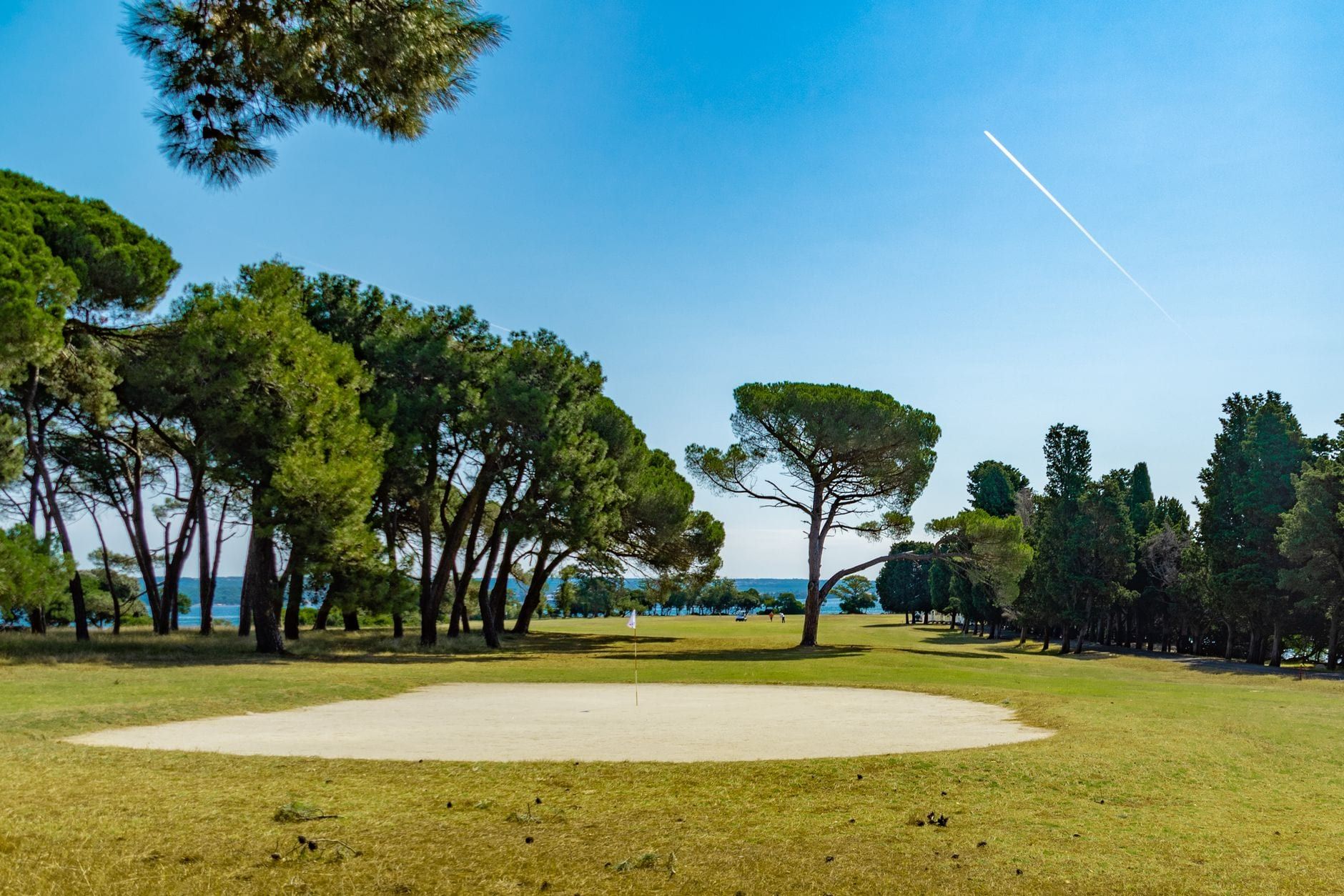
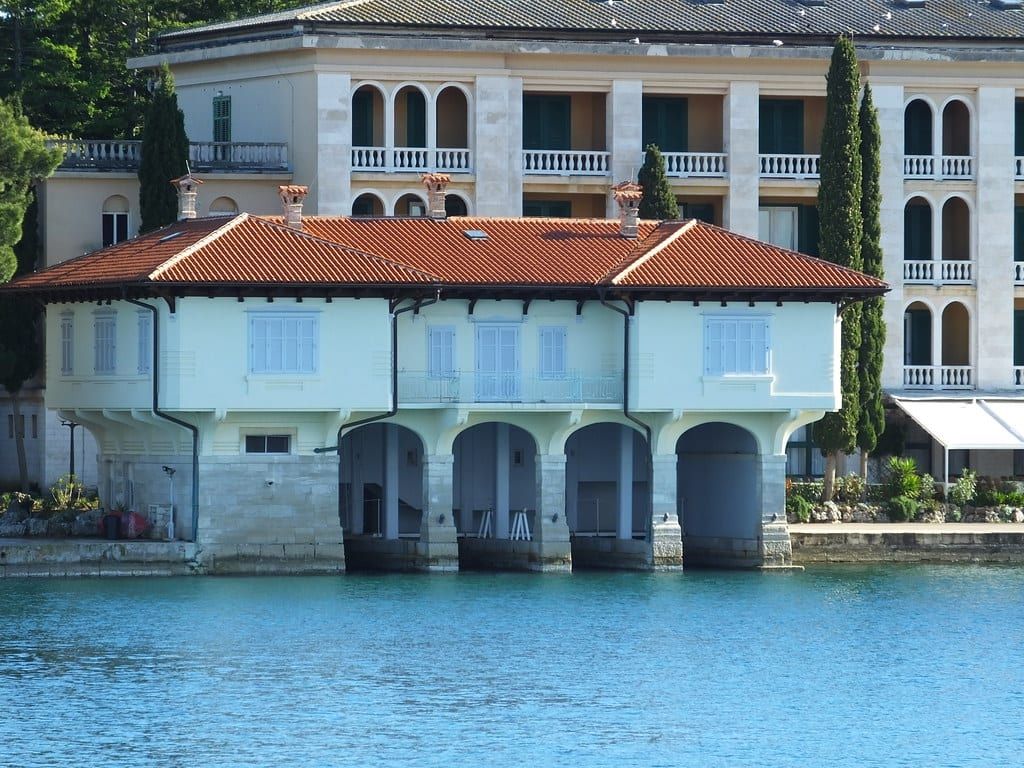
The ferry delivers you to a strange and specific island: flat green meadows cut through with holm oak woods, Roman ruins, Austro-Hungarian buildings, and the residue of Yugoslavia's political summer capital — Tito hosted around 100 foreign heads of state here, including the 1956 meeting with Nasser and Nehru that produced the Brioni Declaration. Here are the stops that justify the ticket.
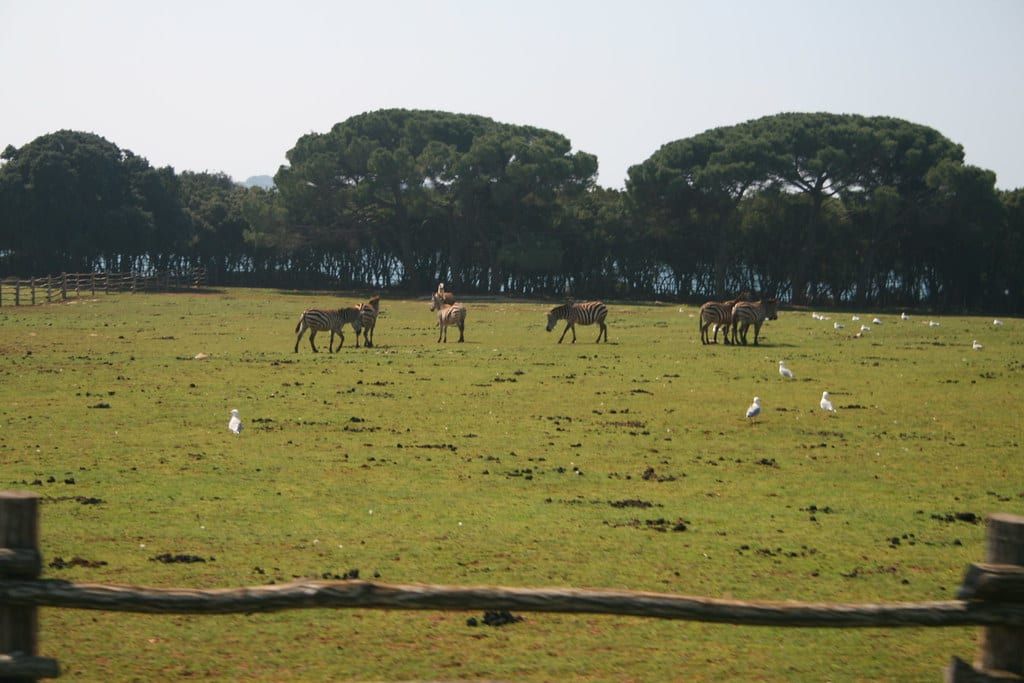
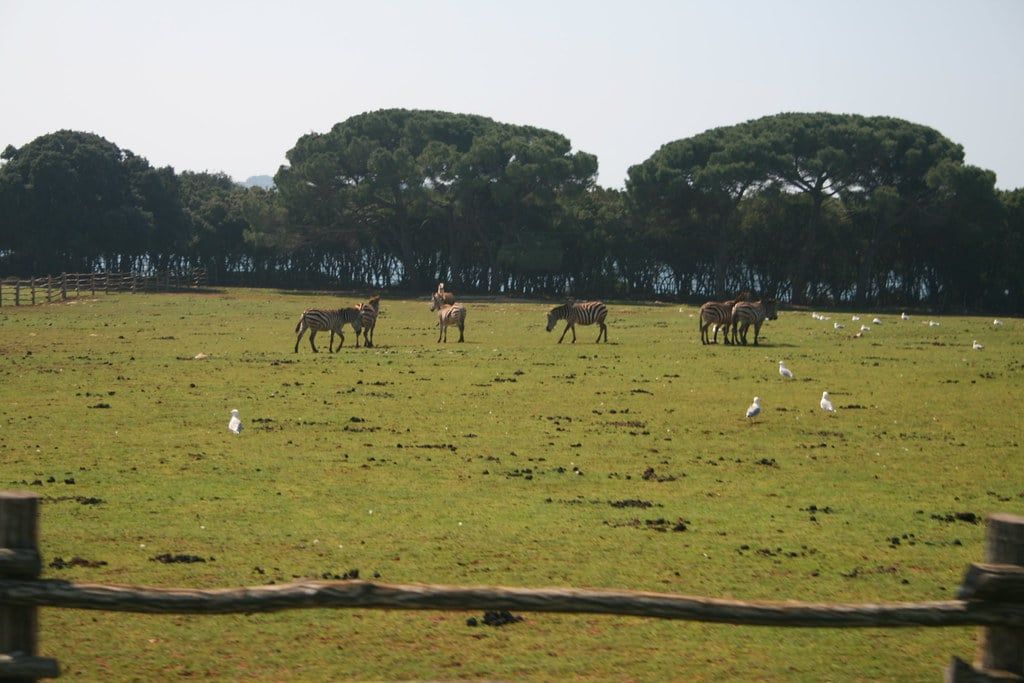
The safari park, nine hectares of northern meadow holding about 80 herbivores, is a Cold War gift catalogue with fences. Lanka the Indian elephant arrived from Indira Gandhi in 1972, the zebras from Guinea's Sékou Touré in 1960–61, and the zebu was Nehru's gift in 1959. Zebras, llamas, ostriches and deer roam behind low wooden fences, peacocks wander freely, and the train tour gives you about ten minutes here. Our safari park guide covers it in depth.
Verige Bay holds the Roman villa rustica, a 1st-century BC country estate that once had temples to Neptune, the Capitoline Triad and Venus, decorated in mosaics and marble. The train stops here, and the park also runs a guided snorkeling tour of the submerged ruins — the only way you may swim in this bay. On the other coast, Dobrika Bay stacks a Byzantine castrum and a 4th-century settlement, with St Mary's Basilica beside it, notable for its rare rectangular apse, and the Church of St Peter's tricolored mosaic floor.
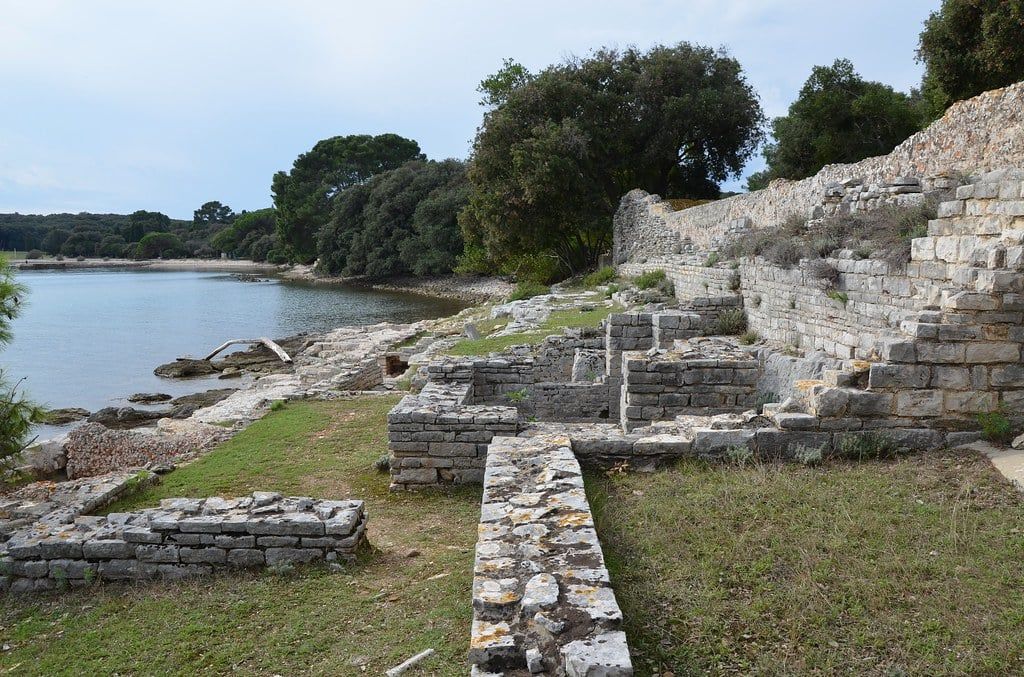
Two sights punch hardest per minute. The olive tree in the Mediterranean garden is over 1,600 years old — carbon-dated by Zagreb's Ruđer Bošković Institute — and still produces around 30 kg of olives a year, pressed into about 4 kg of extra-virgin oil. And the dinosaur footprints: more than 200 of them, left 130 to 100 million years ago at four sites, visible at Cape Ploče and Cape Vrbanj where a life-size theropod reconstruction stands by the shoreline prints. Most visitors walk straight past the three-toed print in a limestone block by the port.
The Tito relics close the loop. His dark-green 1953 Cadillac, a gift from Croatian immigrants in Canada with only 18,000 miles on it, carried Nasser, Nehru, Indira Gandhi and Haile Selassie until 1979. Koki, the yellow-crested cockatoo he gave his granddaughter for her ninth birthday, still speaks and shakes hands at around 70 years old.
Getting around is easy. The excursion's electric train covers the long circuit; on your own, rent a bike (€5–8 an hour) or a golf buggy (€25–40 an hour, driving licence required) — or simply walk, since the island is flat and its highest point, Vela Straža, is 55 m.
Practical Tips for Your Brijuni Boat Day
Pack for two modes of day. For the water: swimwear, towel, sunscreen and water shoes for the rocky swim stops. For the island: a cover-up — the dress code forbids boarding the boat, walking the promenades or entering any restaurant, café or hotel in swimwear, and people do get turned away. Bring cash if you can; there are no shops and no ATMs on Veliki Brijun.
Food exists but you can't provision on the island. The harbour Konoba Brijuni and the Hotel Neptune-Istria restaurant serve meals; everyone else should carry water and snacks from Fažana. For swimming, stick to designated areas like Saluga beach — Verige Bay is closed except on the booked snorkel trail. Dogs are welcome on a leash with a €15 ticket, but they can't enter the train, the museums or the safari park, and bringing your own bicycle needs 24 hours' notice and a fee. Don't remove shells, plants or stones; the park's code of conduct prohibits it.
The return journey has two traps. The bus to Pula leaves from the Fažana B stop, roughly opposite Pizzeria Bambino — not the stop you may have arrived at — and it doesn't terminate at Pula's main bus station, so allow walking time at the other end. And if you've stayed late on a later ferry, check the last sailing before you order that final drink; in the off-season it's 16:00, sharp.
Frequently Asked Questions
Is a Brijuni boat tour the same as visiting the national park?
No. Panoramic cruises from Pula or Fažana circle the archipelago and stop for a swim, but they don't land on the islands. Park entry requires the official ferry from Fažana, or a marina berth if you arrive by yacht.
How much does a Brijuni boat trip cost?
The official ferry excursion costs €50 per adult in summer (1 June–30 September) and €35 from October to May, with children 7–18 at €20/€15 and under-7s free. Shared panoramic tours run about €25–40 per person, private charters €500–950 for a full day, and yacht moorings €180–280 a night.
How long is the boat ride to Brijuni?
The ferry from Fažana to Veliki Brijun takes about 15 minutes across 2 km of strait. Organized boat tours run anywhere from 1.5 hours for a glass-bottom panorama to 6 hours for a full cruise-and-swim day.
Can you swim on a Brijuni boat trip?
Yes — tours anchor at spots like Kozada and Sveti Jerolim, and some include the fossil beach at Mali Brijun. On Veliki Brijun itself, swimming is allowed only in designated areas such as Saluga beach; Verige Bay is off-limits unless you book the underwater snorkel trail.
Do Brijuni boat trips sell out?
They can in July and August. On the ferry it's the language slots on guided tours — not boat capacity — that go first, so book at shop.np-brijuni.hr ahead of time. Reduced tickets must be reserved by email and collected at the park office at least 30 minutes before departure.
Can I take my own boat or yacht to Brijuni?
Only via the Brijuni Marina, which takes 30 yachts up to 30 m at €180–280 a night, park entry for all crew included, with reservations needed 24 hours ahead (a month ahead in July–August). Anchoring anywhere inside the park is banned, and crossing the boundary without a permit draws fines of €500–1,500.
Are there dolphins around Brijuni?
Yes, bottlenose dolphins live in the park's waters year-round, along with loggerhead turtles. Local captains know where they tend to surface and route accordingly, though sightings are never guaranteed.
Is a Brijuni boat trip worth it?
For most visitors, yes. The channels between the islands stay calm and clear even when the open coast is choppy, and many travellers combine a ferry day on Veliki Brijun with a separate swim-stop tour to get both sides of the archipelago.